Phone (2a) Plus
Design-first mid-flagship with Glyph interface.
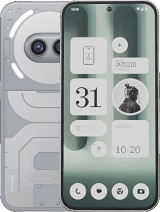
- $449
- ACTIVE
Key specifications
- MSRP
- $449
- Price
- Display
- 6.7" LTPS AMOLED / 2412x1084 / 120Hz
- Screen
- Chipset
- MediaTek Dimensity 7350 Pro
- Performance
- RAM and storage
- 12GB / 256GB / 512GB
- Memory
- Rear camera
- 50MP
- Camera
- Front camera
- 50MP
- Camera
- Battery
- 5000mAh
- Power
- Charging
- 50W wired
- Power
- Weight
- 190g
- Build
- IP rating
- IP54
- Durability
- Colors
- Black / White / Grey
- Finish
- Highlights
- distinctive design / Glyph interface / clean software
- Notes
Scorecard
Seven-axis scores derived from ingested reviews. Rows expose agreement, dissent, and confidence without adding visual softness.
Camera
7.2
Confidence: 85%
Evidence: +3 / -0
The Nothing Phone (2a) Plus offers a solid budget camera experience, particularly in well-lit outdoor conditions where images appear crisp with natural processing and good dynamic range. The hardware includes a slight uplift over the standard 2a model, and the selfie camera is noted as a strong performer. However, the system struggles significantly with digital zoom, which degrades quickly beyond 2x, and low-light performance remains a notable weakness with sub-par results. While the ultrawide lens performs well, the lack of dedicated telephoto hardware limits its versatility compared to higher-end devices.
Battery
8.5
Confidence: 90%
Evidence: +3 / -0
The Nothing Phone (2a) Plus offers strong battery performance that exceeds many mid-range competitors, including the Google Pixel 8a. Real-world testing demonstrates impressive endurance, with the device capable of lasting 48 hours on a single charge under light usage (5 hours SOT) or reaching 6-7 hours of screen-on time during heavy single-day use. While it falls short of the 'absurd' battery life found in the OnePlus 12R, its 14-hour and 8-minute result in standardized drain tests is highly respectable. The 'Plus' model features a slight uplift in battery tech and performance over the standard 2a, though it lacks wireless charging and maintains the same core display technology. Charging speeds are improved but remain within the mid-range bracket.
Performance
7.8
Confidence: 90%
Evidence: +3 / -0
The Nothing Phone (2a) Plus offers a modest performance uplift over its predecessor, powered by the exclusive MediaTek Dimensity 7350 Pro chipset. While marketing materials promised significant gains, real-world testing shows more conservative improvements: approximately 3.5% in CPU and 12% in GPU performance. The device excels in everyday responsiveness, with the OS prioritizing fluidity and smooth animations, though it lacks the extreme multitasking power of flagship silicon. Sustained performance is reliable for its price bracket, making it a capable mid-range contender, though its value proposition is slightly dampened by a price increase over the standard 2a and limited availability in certain markets like the US.
Display
7.8
Confidence: 90%
Evidence: +3 / -0
The Nothing Phone (2a) Plus features a 6.7-inch AMOLED panel that is highly regarded for its price point, offering a variable refresh rate (30Hz-120Hz) that prioritizes fluidity. While its peak brightness of 959 nits in testing falls short of the 1,300-nit marketing claim, it remains competitive for an affordable device. Users have access to basic color profiles (Alive and Standard) and an Always-on Display. However, long-term reliability is questioned by reports of green tinting and uneven brightness, suggesting some compromises in panel quality to maintain the sub-$400 price tag.
Build
7.5
Confidence: 80%
Evidence: +3 / -0
The Nothing Phone (2a) Plus maintains the brand's signature transparent aesthetic while introducing a new reflective silver finish that provides a more premium feel compared to the standard 2a. The build is characterized by its unique Glyph Interface, though it is a simplified version with only three lights compared to the flagship's eleven. While the design is praised for its beauty and distinctiveness, the physical construction remains largely consistent with the more affordable 2a model. The device features a large, vibrant display that reviewers note makes the phone feel more expensive than its sub-$400 price point suggests, though some users may prefer the cleaner look of the original model's finishes.
Software
7.2
Confidence: 90%
Evidence: +3 / -0
Nothing OS on the Phone (2a) Plus is praised for its frequent updates and unique features like Vivid Mode, which uses AI for real-time scene analysis. The brand is noted for being more proactive with fixes and Android beta access than established competitors like Motorola. However, the software experience is marred by regional availability issues, specifically in the US where it is restricted to a developer program. Recent reports also indicate significant concerns regarding 'Lock Glimpse' features impacting battery life and potential bloat, alongside inconsistent update rollouts across the product line. While the UI remains distinct and fluid, hardware-linked issues like display tinting and the use of cheaper panels can detract from the overall software-hardware synergy.
Value
7.8
Confidence: 85%
Evidence: +4 / -0
The Nothing Phone (2a) Plus is positioned as a strong value proposition, offering 'stellar specs' and a unique design for significantly less than competitors like Google and Samsung. Reviewers highlight its exemplary battery life and solid performance-to-price ratio, noting it provides about half the cost of flagship devices while maintaining a smooth experience. However, its value is heavily region-dependent; in the US, it is hampered by a restrictive 'Beta Program' purchase model, limited carrier support, and a short 14-day return window. Additionally, some long-term concerns regarding component quality, such as reports of green tint on 'cheap' display panels, slightly temper the initial high-value verdict.
Ask About This Phone
Excerpts are scoped to this device. For cross-device picks, use the recommender or Browse catalog.