Pixel 11 Pro Fold
Next-gen foldable with zero-gap titanium hinge, 8.0-inch 3000-nit inner display, and 50MP cameras.
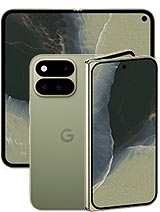
- $1,799
- ACTIVE
Key specifications
- MSRP
- $1,799
- Price
- Display
- 8" Super Actua LTPO OLED / 2152x2076 / 120Hz
- Screen
- Chipset
- Google Tensor G6
- Performance
- RAM and storage
- 16GB / 256GB / 512GB / 1024GB
- Memory
- Rear camera
- 50MP
- Camera
- Front camera
- 12MP
- Camera
- Battery
- 4800mAh
- Power
- Charging
- 35W wired / 18W wireless
- Power
- Weight
- 252g
- Build
- IP rating
- IPX8
- Durability
- Colors
- Obsidian / Porcelain
- Finish
- Highlights
- Under 10mm folded thickness / 8.0-inch 3000-nit inner canvas with multi-tasking Split Screen / Tensor G6 generative intelligence / Pro-tier periscope telephoto in a foldable
- Notes
Scorecard
Seven-axis scores derived from ingested reviews. Rows expose agreement, dissent, and confidence without adding visual softness.
Camera
7.0
Confidence: 97%
Evidence: +4 / -0
The Pixel 11 Pro Fold maintains Google's reputation for strong computational photography but faces increasing pressure from rivals. The camera system is anchored by a 48MP main sensor and a 10.8MP telephoto lens that provides the longest native optical reach (5x) in the book-style foldable market. While the new primary sensor improves light capture for Night Sight, real-world testing reveals inconsistencies in color science, specifically with color tinting in complex lighting. The 'Creator Suite' software adds value for video production, and Super Zoom remains capable at 30x, yet the hardware's lower megapixel count compared to non-folding flagships leads some reviewers to feel it is falling behind the curve.
Battery
8.2
Confidence: 100%
Evidence: +3 / -0
The Pixel 11 Pro Fold demonstrates surprisingly strong real-world endurance, comfortably lasting through a full day of mixed usage including messaging, streaming, and navigation. Despite a year-over-year reduction in physical battery capacity that places it behind competitors on paper, the device achieves some of the best endurance figures in its class, likely due to the efficiency of the Tensor G6. Charging speeds remain a conservative 30W wired and 25W wireless via Qi 2.2. While it can survive into a second day under moderate use, heavy tasks like Google Meet calls and photography will necessitate a midday charge if starting from a partial state.
Performance
7.8
Confidence: 100%
Evidence: +3 / -0
The Google Pixel 11 Pro Fold, powered by the Tensor G6 and 16GB of RAM, offers a smooth everyday experience with notable improvements in thermal management. Unlike previous generations, it resists thermal throttling even under load and remains cooler than Samsung's foldable rivals. While it excels in AI-driven tasks and multitasking features like 'App Handles,' its raw processing power still trails behind Apple's silicon and the Snapdragon 8 Elite found in competitors. Real-world performance is generally fluid, though some software instability persists, specifically occasional freezes when transitioning between the outer and inner displays or using split-screen modes.
Display
8.8
Confidence: 90%
Evidence: +4 / -0
The Google Pixel 11 Pro Fold features a refined display setup with a larger 6.5-inch cover screen achieved through significantly thinner bezels. Both the cover and the 8-inch internal flexible OLED panels are highly competitive, reaching a peak brightness of 3,000 nits for excellent outdoor visibility. The internal display utilizes LTPO technology for a variable 1Hz to 120Hz refresh rate, ensuring smooth performance and power efficiency. While the panels are described as excellent and vibrant, the internal screen still suffers from a noticeable crease, and pixel density (372-399 ppi) trails slightly behind some ultra-premium rivals.
Build
9.2
Confidence: 90%
Evidence: +4 / -0
The Google Pixel 11 Pro Fold represents a significant refinement in foldable build quality, achieving a premium 'fit and finish' with a sturdy metal frame and a thinner profile. Its most notable achievement is the IP68 rating, providing dust and water resistance comparable to traditional flagships—a rarity in the foldable market. The device uses Corning Gorilla Glass Victus 2 and a gearless hinge to enhance durability. While the asymmetrical halves are a visual oddity, the overall construction is robust, free of the creaks found in earlier generations, and supported by a seven-year commitment to spare parts availability.
Software
7.8
Confidence: 90%
Evidence: +4 / -0
The Pixel 11 Pro Fold offers a robust software experience anchored by Google's industry-leading seven-year update commitment and a suite of advanced AI features like Gemini Live, Rambler for speech-to-text, and impressive Live Translate for media. While the AI tools provide genuine utility and the interface is generally fluid, the device still struggles with foundational foldable software issues. Reviewers note persistent problems with app scaling, layout consistency, and awkward transitions between the cover and main displays that can force app refreshes. Despite these layout hurdles, the deep integration of Gemini and unique hardware-software cues like the HiLight LED maintain its status as a premium AI-centric device.
Value
6.8
Confidence: 90%
Evidence: +3 / -0
The Google Pixel 11 Pro Fold presents a complex value proposition. While it faces a $100 price hike over its predecessor, bringing the entry cost to $1,899, it remains competitively priced by undercutting rivals like the Galaxy Z Fold 8 Ultra. Reviewers highlight its superior software support (7 years) and consistent camera performance as key value drivers compared to Motorola's offerings. However, the 'pretty good' performance may not satisfy power users given the steep price, especially when a flagship phone and tablet can be purchased for less. Its value is bolstered by thermal efficiency and a sleek design, but it is increasingly viewed as 'falling behind the curve' in a rapidly maturing market.
Ask About This Phone
Excerpts are scoped to this device. For cross-device picks, use the recommender or Browse catalog.